
Is an Aged Wine Better Than a Fresh One?
Do I open it or keep it? Will it last?
I’ll spoil it for you, but the answer is usually no, with a few exceptions that, as always, prove the rule. But let’s first agree on the basics: we will go to the trouble of ageing a wine and paying a higher price for it only if the result is distinctly better than drinking it fresh.
Rule: almost all the wines we come across are “made” in such a way that they are not meant for ageing, and only one, a heavy 5% at most, has the potential to become better over the years. And if you are unlucky enough to open those last ones too early, you will wonder how you could have paid such a respectable sum for a wine that is closed on the nose and wild, with no balance on the palate.
So what does a wine need in order to be capable of ageing and improving?
1. Acidity: If the wine comes from a variety or a winemaking technique that gives a… tangy result, then the odds are in our favour. Assyrtiko, Robola and Xinomavro among the local ones, and of course the great Rieslings, the Nebbiolos and Sangioveses and some Chardonnays, are just a few varieties with top acidity levels (or, more correctly, low-pH wine) that have proven to make wonderful ageing wines.
2. Tannins: Or, to put it more simply, those components that give red wines their astringent feel. Without going into tedious detail, if we have plenty of well-made tannins, time is on our side. Oh, I almost forgot! Some Assyrtikos, mainly from Santorini, have plenty of tannins. Coincidence?
3. Sugars: Our good sugars are a great preservative. It is no accident that the world’s great sweet wines, such as Sauternes, Tokaji and Port, as well as our own small-berried Muscats or Mavrodaphnes, age easily for decades.
4. Last but perhaps the most important characteristic: Fruit, fruit, fruit! Yes, the aromatic and flavour concentration, the result of good work in the vineyard with low yields per acre plus the winemaker’s hand, will give large doses of flavour intensity that will help the wine hold up when time inevitably diminishes them. If the fruit is missing, the coveted balance on the palate is lost immediately and the bird has flown.
Closures
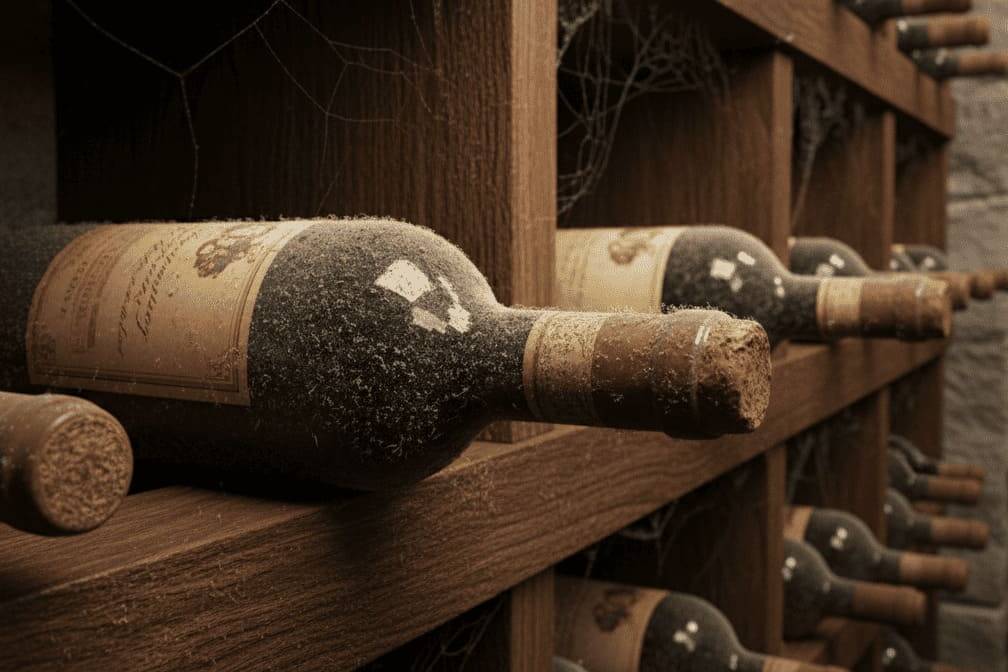
Let’s bring closures into the conversation here too: most wines that producers envision for ageing tend to carry a natural cork. This old friend, being a “living” organism, breathes over time, allowing a minimal amount of oxygen to enter the bottle and thus giving it extra character and complexity. Up to a point, of course, because if this process goes further than ideal, our wine will oxidise and the game is lost. As the old-timers say, “There are no great wines, only… great bottles,” meaning, of course, the particular cork of each bottle.
For the same reasons, keep larger formats in mind as well. Magnums of 1.5 litres or even larger have proven to look after their precious contents better over extended ageing periods, since they contain more wine for roughly the same amount of cork.
On the other hand, if you come across a wine with a screw cap, invest without fear. The Australians know a thing or two more, having overwhelmingly adopted it over the past twenty years.
But how do we store the collectible bottles we have chosen, according to the above, so we can forget about them?
Here you need to invest, but the result will reward you many times over the initial expense.
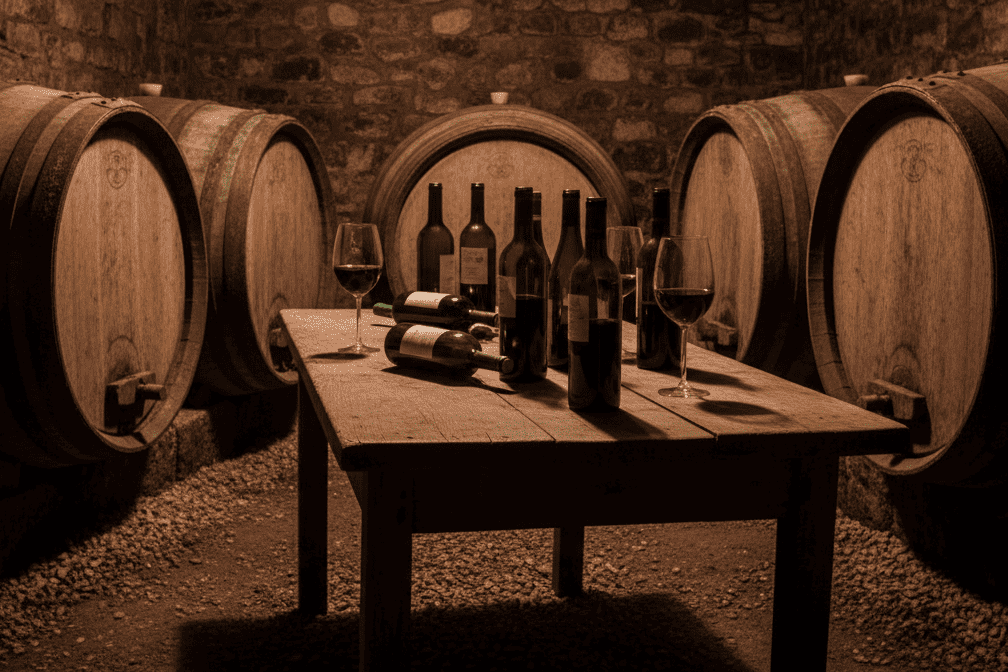
First of all we want coolness, lots of coolness, ideally somewhere around 13 degrees, though we can settle for slightly higher. Likewise the humidity of the space, which should be as high as possible, somewhere between 60% and 80%. All of this somewhere quiet (yes, the poor things listen, and are sensitive to noise too) without vibrations or odours.
Right! There is no such place in our home, and building one takes money. The alternative is a specialised wine cooler; if you invest in one, make sure to get the largest your budget allows, and I would suggest it be single-zone temperature. If not, you will regret it, guaranteed.
If you do not go for this solution, let Greece and Grapes suggest old vintages to you, straight from the producers’ cellars.